Building Capacity for the Lithuanian EU Council Presidency 2027: High Satisfaction Among Lithuanian Civil Servants
 February 27, 2026
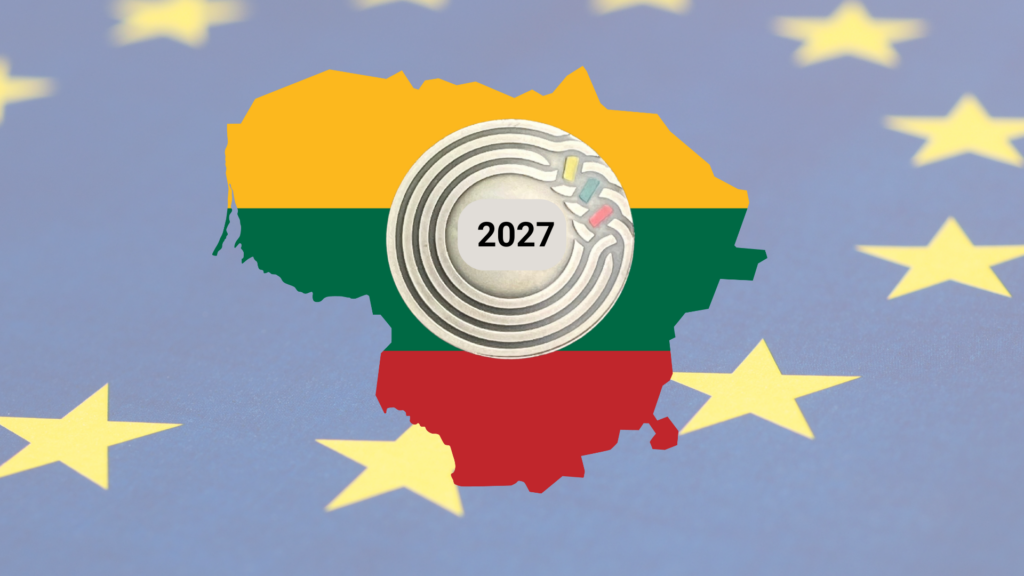
Preparing for a presidency of the Council of the European Union is one of the most demanding administrative and diplomatic undertakings for any member state. It requires not only technical knowledge of EU procedures and policies, but also strong leadership, negotiation skills, and the ability to operate effectively in a highly complex institutional environment. In anticipation of Lithuania’s upcoming presidency in 2027, a comprehensive training programme has been implemented to strengthen the skills and readiness of the Lithuanian civil service.
As part of the project Capacity Building and Leadership Training for the Lithuanian Civil Service, Preparing for the EU Council Presidency 2027, Diplomatic Skills Lab has delivered an extensive series of specialised courses designed to equip officials with the practical competencies required to perform effectively during the presidency. From May 2025 to February 2026, a total of 41 training courses have been successfully delivered, reaching 1,227 participants across the Lithuanian civil service.
The results so far demonstrate both strong engagement and exceptional levels of participant satisfaction. Feedback collected from course participants confirms that the training programme has been highly valued and has significantly contributed to strengthening participants’ preparedness for their roles in the upcoming Council presidency.
A Comprehensive Training Programme
The training programme was designed to address several core areas of competence necessary for managing the responsibilities of the Council presidency. The curriculum included courses on the EU institutional structures, decision-making procedures, sectoral policy development, negotiation strategies, and communication skills for chairing Council meetings.
Out of the 41 courses delivered so far (February 2026), 12 were conducted online between May and September 2025 using Zoom and Microsoft Teams platforms. These sessions allowed participants to begin their preparation early and provided flexible access to key introductory topics.
In the second half of 2025, the programme expanded significantly with 29 on-site courses delivered in Vilnius, Lithuania, continuing through February 2026. These in-person sessions placed greater emphasis on interactive learning methods, including simulations, practical exercises, and group work that mirrored real-life scenarios faced during Council negotiations and meetings.
The combination of online and in-person formats ensured both accessibility and depth of learning, allowing participants to gradually build their expertise while benefiting from hands-on experience.
Exceptional Satisfaction Rates
The overall evaluation results of the programme are highly encouraging. Based on feedback collected from 983 participants, the training courses achieved an average satisfaction rate of 94.1% out of a possible 100%.
Such a consistently high level of satisfaction across a large number of courses and participants reflects the quality of the training design, the relevance of the topics, and the expertise of the trainers involved in the programme.
Among the different courses offered, the highest satisfaction rating (95.44%) was achieved by the course English Communication Skills for Chairing Council Meetings. This course, delivered through ten on-site sessions in Vilnius, focuses on communication techniques, diplomatic language, and practical skills needed to effectively chair complex discussions in English during Council meetings, including trialogues as a special negotiating format in the EU.
Participants particularly appreciated the realistic simulations and practical exercises included in the training. One participant noted:
“Perfect course and utmost useful simulations. Significantly more than I expected.”
Another participant emphasised how valuable the course was for those new to EU affairs:
“For me, as a beginner working with the EU file, this training has given me invaluable knowledge about how everything happens in Brussels from the inside. The lecturers told their experiences, which led them even more to the topics taught.”
The ability to learn directly from practitioners who have first-hand experience in EU negotiations and the Council presidency processes was repeatedly highlighted as one of the programme’s strongest elements.
Strong Results Across All Training Modules
While the Chairing course achieved the highest rating, the other training modules also received excellent evaluations from participants.
The course on EU Sectoral Policies, delivered through nine on-site sessions in Vilnius, achieved an average satisfaction rate of 94.8%. Participants valued the clear explanations of policy processes and topics, along the practical insights into how EU institutions operate in specific policy areas.
One participant commented:
“Constructive, clear presentation of information by providing real examples from the daily work of the European Commission and other institutions.”
Another participant highlighted the broader perspective offered by the training:
“I really appreciated how the training linked theory with current affairs and a broader context, which helped me better understand the benefits of the EU from a values-based perspective.”
The course EU Law and Institutional Framework, delivered in three online sessions, received an average satisfaction rating of 94.72%. Participants particularly appreciated the clarity with which complex institutional relationships were explained.
Feedback included comments such as:
“The structure of the EU, what each institution does and what the legal challenges there are, is very well explained. It helps a lot to get the overall picture.”
“The most useful topic concerned the functioning of the European Parliament and the role of the EP in legislating”
Similarly, the course Negotiations and Intercultural Communication, delivered through ten on-site sessions in Vilnius, achieved a satisfaction rate of 92.8%. Participants valued the dynamic learning format and the opportunity to practise negotiation scenarios based on real EU policy debates.
One participant described the experience as:
“One of the best trainings I have participated in.”
Another participant emphasised the value of the practical exercises:
“Practical tasks, during which we had to present a speech and stage negotiations on Turkey’s accession to the EU. All topics complemented each other very much and kept the attention of the audience.”
Finally, the course EU Decision-Making, delivered through nine online sessions, achieved a satisfaction rate of 92.55%. Even though it received the lowest rating among the courses, it still reflects a very high level of satisfaction and is only marginally behind the others.
Participants particularly appreciated the practical guidance related to agenda setting and managing a Council meeting. One comment highlighted:
“An exercise in planning the agenda was useful – in what order it is best to plan the DG meeting.”
These evaluations demonstrate that all modules within the programme provide meaningful value and contribute to the professional development of the participants ahead of their roles in the Lithuanian EU Presidency.
Learning from Experienced Practitioners
One of the defining strengths of the programme lies in the expertise of its trainers. All courses were delivered by distinguished practitioners who have direct experience with EU Council presidencies and a deep understanding of the dynamics of EU negotiations and institutional processes. The whole training team of Diplomatic Skills Lab has been involved in making this project a success. The trainers’ practical insights, personal experiences, and real-life examples helped bring complex EU procedures to life and ensured that participants could connect theoretical knowledge with real-world applications.
Participants frequently highlighted this aspect in their feedback, noting that the trainers’ experience significantly enriched the learning process.
Strong Partnerships Supporting the Programme
The successful implementation of the training programme has been made possible through close cooperation with key partners and institutions.
Diplomatic Skills Lab would like to extend its sincere appreciation to its project partner ESTEP – Europos socialiniai, teisiniai ir ekonominiai projektai, which has provided excellent organisational services and technical support throughout the training process.
Special thanks are also due to the Lithuanian Public Management Agency, which commissioned the training programme and has played a vital role in supporting the professional development of the Lithuanian civil service in preparation for the upcoming EU presidency.
The trust and cooperation of these partners have been essential in ensuring the smooth implementation of the programme and the high quality of the training delivered.
Continuing the Journey Toward 2027
With 41 courses completed in the course of one year and more than 1,200 civil servants trained so far, we belive the programme has made a significant contribution to strengthening Lithuania’s civil service in helping them to build storng capacity for the upcoming Council Presidendy.
The consistently high satisfaction rate of 94.1%, based on nearly one thousand participant evaluations, provides strong evidence that the training programme meets the needs and expectations of its audience. It also demonstrates that the content, methodology, and expertise offered by Diplomatic Skills Lab effectively support the development of the competencies required for the complex tasks associated with leading the Council.
As Lithuania continues its preparations for 2027, Diplomatic Skills Lab remains committed to delivering high-quality training. The positive feedback received so far confirms that these efforts are making a tangible difference — helping the particicpants to build confidence, skills, and expertise necessary to successfully lead negotiations, manage discussions, and represent their country at the heart of the European Union’s decision-making process.